Canva Coloring Book Cover Frame Template: Streamline Your Design
If you have ever tried to create a book cover, a lead magnet, or even a social media graphic that features a coloring book aesthetic, you know the struggle of getting the layout just right. It is not just about the artwork; it is about the composition, the negative space, and the professional finish that makes a design look "retail ready." This is where the Canva Coloring Book Cover Frame Template comes into play. It acts as a structural foundation, a digital skeleton that holds your creative vision together while allowing you to focus on the content. Instead of starting with a blank canvas and guessing margins, you are starting with a pre-designed boundary that ensures your final product looks polished and intentional.
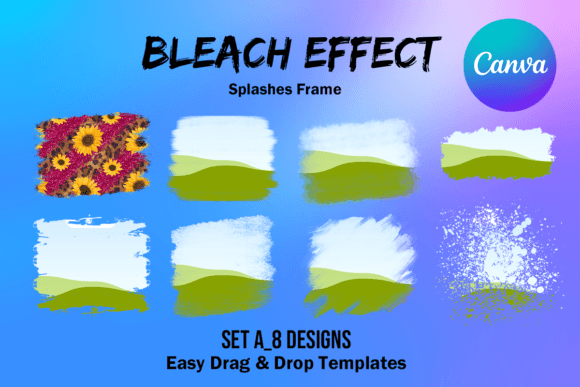
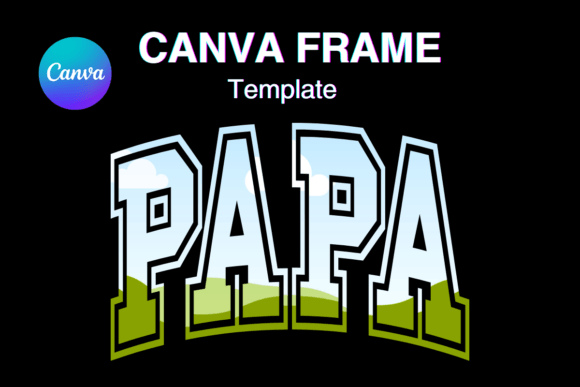
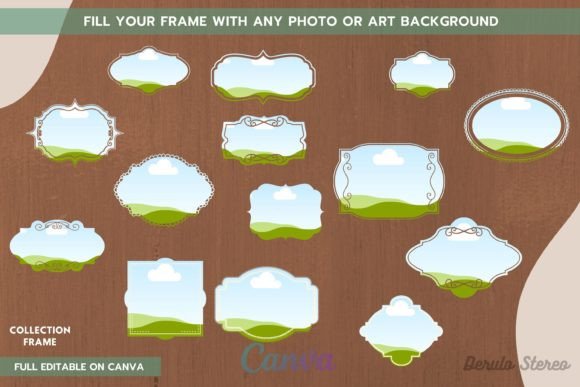
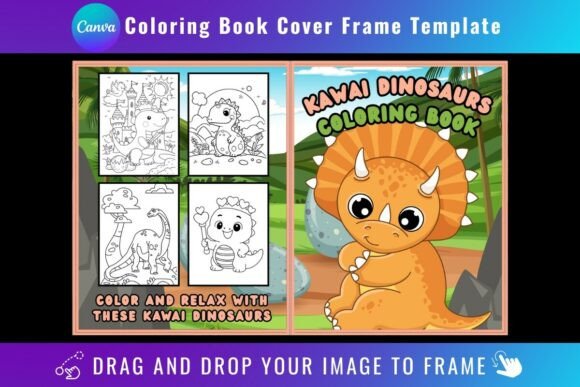
At its core, this resource is a PDF containing a direct link to a set of Canva frame templates. Once you click the link and open the file in the Canva editor, you are greeted with a set of ready-to-use masks. The visual characteristics of these frames are typically clean, bold lines designed to mimic the outer edges of a coloring book page or a specific artistic border. They provide a distinct personality to your work—often playful, creative, or structured—depending on the specific frame style you choose. The appeal lies in the simplicity of the "drag and drop" functionality. You do not need to be a vector graphics wizard to use them. You simply take your PNG or JPG background image, drop it into the frame, and watch it snap into place. This immediate feedback loop is incredibly satisfying for designers and creators who need to visualize the end product quickly.
Visual Identity and the "Frame" Concept
When we talk about the Canva Coloring Book Cover Frame Template, we are really discussing a tool for visual hierarchy. In modern typography and design, the frame is just as important as the content inside it. Think of a gallery wall; the frame around a painting dictates how you view the art. It separates the image from the wall and draws the eye inward. In the context of a coloring book cover or a digital product mockup, the frame serves a similar purpose. It creates a boundary that helps organize information. For instance, you might place your title in the negative space above the frame, or use the frame to highlight the intricate illustration inside. This structure is vital for brand identity. Consistent use of specific frames across a series of books or social media graphics creates a recognizable look that audiences learn to associate with your quality and style.
The personality of these templates is versatile. While they are marketed for coloring books, their utility extends far beyond that niche. A clean border can be the perfect vessel for a logo design presentation, a product photo on an e-commerce site, or a featured image in editorial design. The visual style avoids the clutter of overly ornate borders, focusing instead on shapes that complement rather than compete with your artwork. This is the mark of good design assets: they enhance the work without overpowering it.
Practical Applications for Creators and Entrepreneurs
For the entrepreneur or small business owner, time is the most valuable asset. The practical value of using the Canva Coloring Book Cover Frame Template lies in efficiency. Consider the workflow of a self-publisher. In the past, creating a cover required complex software like Adobe InDesign or Illustrator. Now, using these Canva frames, a publisher can mock up a cover in minutes. This speed allows for rapid prototyping. You can test three or four different background images inside the same frame to see which one resonates best with your target audience before committing to a final design.
Here is how different professionals can leverage these templates:
- Marketers and Bloggers: Use the frames to create consistent "featured images" for blog posts. If you run a stationery blog, using a specific frame style for all your post headers creates a cohesive feed that looks professional.
- Crafters and Hobbyists: If you are selling digital planners or printable art on Etsy, these frames provide the necessary structure to make your digital files look premium. A premium font paired with a clean frame immediately elevates the perceived value of a $5 PDF.
- Content Creators: For Instagram or Pinterest, visual consistency is key. Using these frames ensures that your images have a uniform aspect ratio and border style, which contributes to a grid that is pleasing to the eye.
However, it is important to understand the medium. These templates are designed for digital design and standard print. They are not compatible with SVG formats or cutting machines like Cricut or Silhouette. This distinction is crucial for crafters who might be looking for cut files. These are strictly for visual composition within Canva.
Technical Considerations and Workflow Integration
While the creative possibilities are vast, there are technical specifics to keep in mind to ensure a smooth workflow. The most significant requirement is a free Canva account. This accessibility is a major advantage; it lowers the barrier to entry for students, hobbyists, and startups who cannot afford expensive software subscriptions. However, the "free" tier does come with limitations regarding output.
If your goal is to use these frames for packaging design or overlaying them onto complex backgrounds, you will likely need a transparent background for your final export. This feature is reserved for Canva Pro or higher-tier accounts. For a standard user, you can still use the frames effectively by matching the background color of your canvas to the background of the website or platform where you will upload the image. But for true versatility—especially in web design or layered social media graphics—the Pro account capability is something to consider.
Evaluating Fit and Font Pairing
No design element exists in a vacuum. When you incorporate a Canva Coloring Book Cover Frame Template, you must consider how it interacts with your typography. The frame is a visual container, and the text is the voice. If you choose a frame with a playful, organic shape, pairing it with a rigid, corporate sans serif font might create a dissonance. Conversely, a highly decorative script font might get lost inside a thick, bold frame.
Here are a few guidelines for font pairing with these templates:
- Contrast is Key: If the frame is simple and geometric, you can afford to use a more expressive handwritten font or display font for the title. The simplicity of the frame grounds the wildness of the text.
- Legibility First: Ensure that the frame does not eat into the "live area" where your text sits. Always check the spacing. A beautiful frame is useless if it crowds your headline, forcing you to shrink the font size to the point of illegibility.
- Mood Matching: If you are designing for a vintage-style coloring book, a serif font with high contrast might work best. For a modern, minimalist activity book, a clean sans serif font will maintain the contemporary feel.
Ultimately, these templates are tools to help you achieve a professional result faster. They are design assets that support your creative process, not replace it. By understanding their visual characteristics, technical limitations, and best use cases, you can integrate them seamlessly into your projects, whether you are building a brand identity from scratch or refreshing your current marketing materials.